Camping Activities for Kids: Campfire Stories, Books and Movie Nights Outdoors
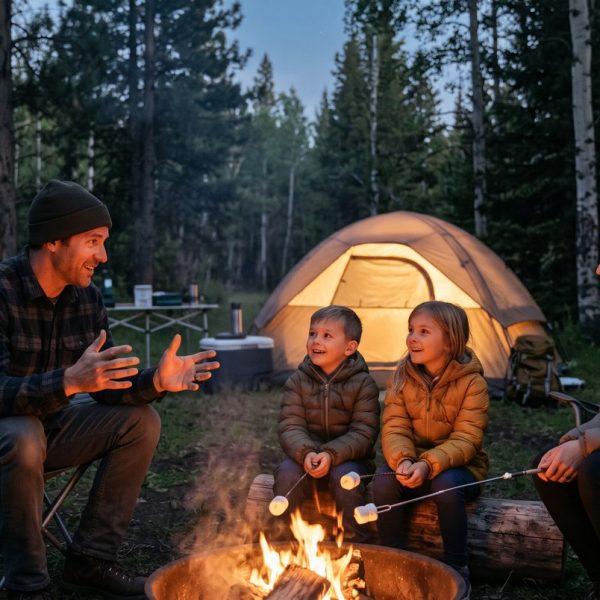
Some of the best moments of a family camping trip happen after the sun goes down. The fire crackles, the stars come out and everyone huddles a little closer. It is the perfect time for stories. Long before screens, families spent evenings around a fire telling tales, and children still love it today.
This article looks at story-based camping activities for kids: campfire tales, books to pack, story games and even a simple outdoor movie night. They are easy to plan, cost almost nothing and work for children of nearly every age.
Why Stories Work So Well at Camp
Storytelling is one of the oldest ways people share ideas and feelings, and a campfire is its natural home. At camp, kids are away from their usual distractions. The darkness around the fire focuses attention, and the sounds of the forest make every story feel more real. Stories also calm children down before bed, which helps on that tricky first night in a tent.
Campfire Story Ideas for Different Ages
For little ones (3 to 6): keep stories short, gentle and silly. Animal tales work well. Tell the story of a bear who lost his picnic, or a raccoon who wanted to learn to swim. Let the kids add the animal noises.
For school-age kids (6 to 10): try adventure stories with a hint of mystery. A hidden map in the woods, a friendly giant who lives under the bridge or a firefly who guides lost campers home. Pause at exciting moments and let the kids guess what happens next.
For older kids (10 and up): they may ask for spooky stories. Keep them more mysterious than scary, especially if younger siblings are listening. A good rule is that every spooky story should end with a funny or happy twist.
Story Games Around the Fire
When you run out of stories, let the kids create their own with these games:
- One sentence each: one person starts a story with a single sentence, and everyone adds one sentence in turn.
- Story stones: paint simple pictures on smooth rocks before the trip, like a tent, a moon or an owl. Kids pull three stones from a bag and make up a story that includes all three.
- Fortunately, unfortunately: each sentence alternates between good luck and bad luck. "Fortunately, we found a canoe. Unfortunately, it had a hole in it."
- Shadow stories: use a flashlight and your hands to make animal shapes on the side of the tent. Shadow play is an old art form, and kids love inventing characters for it.
Books Worth Packing
A small bag of books is light and always useful, especially on rainy afternoons. A good mix includes:
- Picture books about camping for little ones, to read in the tent before bed
- Nature field guides for birds, bugs, trees or stars, so kids can identify what they find
- A classic adventure novel to read aloud in chapters each night
- A joke book, because camping jokes are a tradition of their own
Reading a chapter of the same book each night gives the trip a rhythm, and children will look forward to bedtime instead of fighting it.
Host an Outdoor Movie Night
Many campgrounds are about getting away from screens, but one special movie night can be a fun treat on a longer trip, especially if it rains. You only need:
- A tablet or small projector with the movie downloaded in advance
- A white sheet hung between two trees or on the side of the car
- A small speaker, kept at a low volume for your neighbors
- Blankets, pillows and popcorn
Choose a family film with an outdoor theme, and check the campground's quiet hours before you start. Keep it short, and finish before the official lights-out time.
Write Your Own Camp Story
One of the best ideas in a Times Bay guide to camping activities for kids is to have children keep a trip journal. Turn that into a storytelling project. Each evening, kids write or draw what happened that day as if it were a chapter in a book. By the end of the trip, they have their own adventure story, starring their own family.
Don't Forget the Classic Campfire Treat
No storytelling session is complete without s'mores. Toasting marshmallows gives restless kids something to do with their hands while they listen. Just keep a safe distance from the fire, use long roasting sticks and always have an adult nearby.
Share True Family Stories Too
Not every campfire story needs to be made up. Children are often fascinated by real stories from their own family. Tell them about your first camping trip, the time Grandpa got lost on a hike, or how you met their other parent. Ask grandparents to share a memory before the trip so you can retell it by the fire. These true stories help kids feel connected to the people who came before them.
Tips for a Calm Story Time
- Settle everyone with warm drinks and blankets before you begin.
- Use a soft voice. The quieter you speak, the closer kids lean in.
- Let the fire burn low, and turn off bright lanterns.
- End with a gentle story to help kids wind down for sleep.
The Stories They Will Remember
Years from now, your children may not remember every hike or meal from your camping trips. But they will remember the stories by the fire, the shadow puppets on the tent and the book you read together by flashlight. Pack a few books, learn a couple of good tales and let the night do the rest.