Classic Children Books Find New Readers Through Translation Work
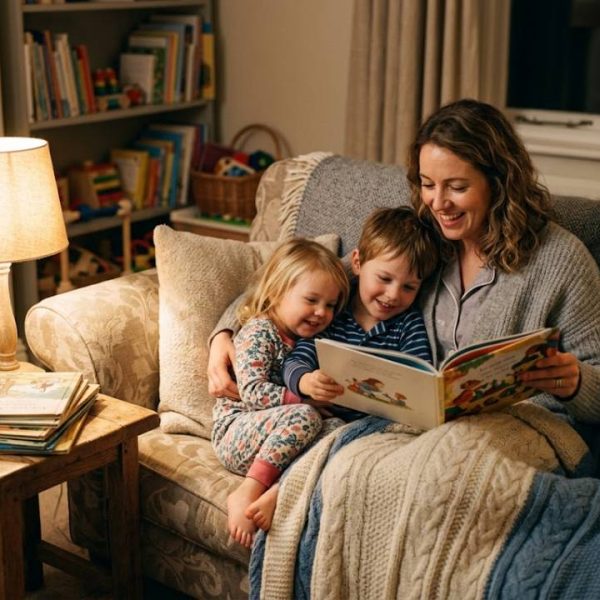
Parents scrolling for something to read their kids at bedtime keep landing on the same names: Babar, Pinocchio, the Moomins, Pippi Longstocking. These are not new discoveries. They are classics that started life in French, Italian, Swedish, and Finnish, and translation is the only reason English-speaking kids ever met them at all.
Why These Stories Never Age
Children's classics from other countries tend to survive for a simple reason: the best ones deal in feelings kids everywhere recognize, jealousy, courage, boredom, wonder, regardless of the setting. A well-translated version keeps that emotional core intact even when the original references, foods, or place names would mean nothing to a child in another country.
The Delicate Job of Translating for Kids
Translating a children's book is harder than it looks. A translator has to preserve rhythm and rhyme that make a book fun to read aloud, while also making jokes and cultural references land for a completely different audience. A pun that works perfectly in French often has to be rebuilt from scratch in English rather than translated literally, since a literal version usually just falls flat.
Film Adaptations Bring New Attention to Old Books
A surprising number of beloved children's films started as foreign-language books that most American audiences never knew existed until an adaptation hit theaters. Studios adapting these stories often need certified translation services for licensing agreements with the original publishers and estates, since film rights deals require precise legal translation, not the looser adaptation style used for the storybook text itself.
French Publishers Remain a Major Source
France has quietly produced an outsized share of the children's classics that English-speaking families grew up with. Publishers working to bring newer French titles to English-speaking markets often rely on professional french translation services to handle everything from the storybook text itself to the surrounding marketing materials that help a new title find its audience.
How Publishers Keep Track of Multiple Translated Editions
A single classic children's book might exist in dozens of translated editions across different countries and decades, each with slightly different wording and illustrations. Publishing houses now use a proper best translation tool to compare editions side by side, flagging where an older translation has become outdated or where a new edition needs updated language to feel current for today's young readers.
Illustrators Face Their Own Translation Challenge
Text is not the only thing that sometimes changes between editions. Cover art and interior illustrations occasionally get updated for a new market, since a visual joke or a background detail that made sense to the original audience might confuse readers elsewhere. Publishers who handle this well work closely with the original illustrator's estate to make sure any visual changes still respect the artist's original style rather than replacing it wholesale.
Audiobooks Add Another Layer of Interpretation
The rise of children's audiobooks has created a second translation challenge on top of the printed text: casting a narrator whose voice and pacing suit the story, and deciding how songs or rhymes should be performed rather than just read. A translated lullaby that rhymes perfectly on the page sometimes needs further adjustment when it has to actually be sung aloud, which is a detail few readers think about until they hear a version that does not quite work.
Translated editions of children's classics succeed when the publisher understands the new market, not merely when the words have been swapped. The small presses handling those editions usually sell direct, because distributors rarely take a risk on a niche translation. The shopify tips that matter most to them are unglamorous ones: clear shipping rules, honest stock counts and a product page that answers the obvious question.
Why Some Titles Never Get a Good English Version
Not every beloved foreign children's book makes a successful crossing. Some rely too heavily on wordplay specific to their original language, and no amount of translator skill can fully rebuild the joke in English without losing what made it charming in the first place. Publishers sometimes shelve a promising title for years waiting for a translator with just the right creative touch to take it on.
What Parents Look For When Choosing a Translation
Not all translations of the same book are equal, and parents who read reviews carefully will notice some editions get consistently better feedback than others. The best ones read naturally out loud, keep the humor intact, and do not over-explain cultural references that kids can simply enjoy without fully understanding. A clunky translation, by contrast, tends to get quietly dropped from bedtime rotation within a week.
Building a Home Library of Translated Classics
Families looking to build a well-rounded children's library increasingly seek out translated titles specifically, not just the ones that happened to get a famous film adaptation. Library programs and school reading lists have started highlighting translated children's literature as its own category, encouraging kids to notice and appreciate that a favorite story might have started in a completely different language.
None of this happens by accident. Every classic on a child's bookshelf that started somewhere else exists in English because a translator sat with the original text and rebuilt its magic word by word, a quiet kind of work that rarely gets a byline but shapes childhood reading lists all the same, one bedtime story at a time, long after the translator who did the work has been forgotten.