Why Japanese Picture Books Are Winning Bedtime Reading Time
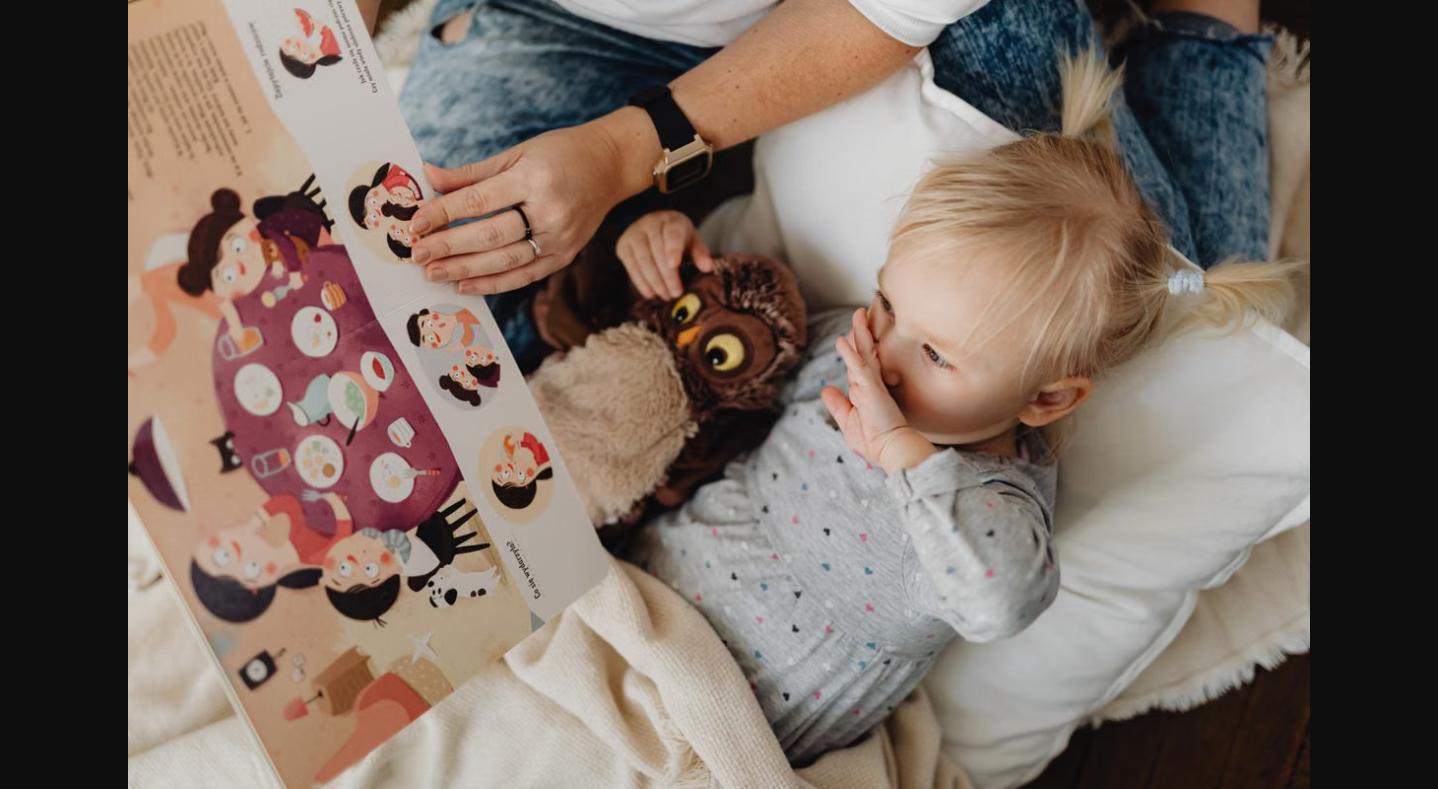
A mother in Portland scrolls past the same five picture books every night before she finally finds something new for her toddler. The book that stops her thumb has a cover unlike anything on the shelf at her local store and a title she cannot quite pronounce out loud.
That single accidental discovery is becoming a familiar story for parents who spend their evenings hunting for something fresh to read aloud. Publishers have noticed the pattern too and many are now actively bringing picture books from other countries into English for the very first time.
Bedtime reading used to mean picking from whatever sat on a shelf at the local bookstore. Streaming platforms changed how families discover shows and now the same shift is happening quietly with books as parents scroll social media clips of foreign picture books their kids suddenly want.
Why Japanese Picture Books Keep Showing Up In American Homes
Japanese picture books have a visual style that looks nothing like the typical American shelf and children notice the difference immediately. Soft watercolor illustrations paired with quiet gentle stories about everyday moments have found a devoted following among parents tired of loud cartoonish covers.
Publishers bringing these titles across borders rely on skilled japanese translation services to keep the rhythm and gentle tone of the original text intact rather than flattening it into generic English phrasing. A rushed translation can strip away the exact quality that made a book special in the first place.
Parents who discover one beloved Japanese title often go looking for more from the same illustrator only to find that most of that author back catalog has never been translated at all. That gap has become an opportunity that publishers are only now starting to take seriously.
Picture book translators describe the job as closer to poetry than ordinary prose work since a Japanese sentence built around silence and suggestion needs a completely different structure to land the same way for an English speaking child.
How A Small Discovery Becomes A Global Bestseller
A picture book usually needs a champion inside a publishing house before anyone commits budget to translating it. Often that champion is an editor who stumbled across a foreign title at a book fair and could not stop thinking about it for months afterward.
Once a publisher commits to a title the actual language translation services chosen for the project shape how the finished book will read out loud to a child every single night for years. A stiff literal translation gets quietly abandoned within a week while a lively natural one becomes a permanent fixture on the shelf.
Word of mouth among parents now moves faster than any marketing budget a small publisher could ever afford. A single video of a toddler reacting to a foreign picture book can send that title straight to the top of a bestseller list within days.
Independent bookstores have become unlikely tastemakers in this shift since their staff often hand pick which translated titles get featured near the register where parents linger while their kids wander the shelves.
What Makes A Translated Picture Book Actually Work
The best translated picture books never feel like a translation at all when read aloud. A parent should be able to perform the text with the same rhythm and pauses the original author intended without ever sensing that something got rebuilt along the way.
Rhyme presents the hardest challenge since a rhyming line in the source language rarely rhymes once swapped into English word for word. Translators often have to invent a new rhyme entirely while still protecting the meaning and warmth of the original scene.
Illustrations sometimes need small adjustments too when a visual joke depends on a word that simply does not exist in English. A skilled translator flags these moments early so the art team can quietly adjust a detail without anyone noticing the seam.
Publishers who get this right treat the translator as a genuine creative partner rather than someone hired at the very end just to swap out words on a finished layout.
Some presses now bring the original illustrator into early conversations about the translated text itself since a small wording change can occasionally clash with a visual detail nobody thought to flag during the first review pass.
That extra layer of coordination takes longer and costs more but editors who have tried skipping it say the finished book almost always reads a little flatter than it should have.
Building A Home Library That Crosses Borders
Families who fall in love with one translated title often start actively seeking out more books from that same country rather than waiting for a bookstore algorithm to suggest something similar. That curiosity is quietly reshaping what small presses choose to acquire next.
School and public librarians report a steady rise in requests for translated picture books as parents look to broaden what their kids read beyond whatever dominates the bestseller table that particular season.
According to research published by UNESCO children who regularly encounter stories from other cultures tend to develop stronger empathy and curiosity about the wider world well before they reach school age.
A report from the OECD on childhood literacy notes that exposure to varied narrative styles early in life supports broader language development even when a child is only being read to rather than reading independently.
Why Publishers Are Betting Bigger On This Trend
A handful of small presses built their entire catalog around translated picture books and larger publishers have started paying close attention to what those presses are proving works with real families.
Acquiring foreign rights used to be treated as a niche curiosity reserved for literary fiction and now the same scouting process is being applied seriously to picture books aimed at toddlers and early readers.
Publishers who invest early in a strong translation partnership tend to build a reputation among parents that outlasts any single bestselling title since families start trusting the imprint itself rather than any one book.
That trust is exactly what keeps a family coming back to the same publisher shelf after shelf long after the book that first caught their attention has been read a hundred times and finally retired to a box in the closet.