Read-Aloud Books for Kids: How to Choose Them and Why They Matter
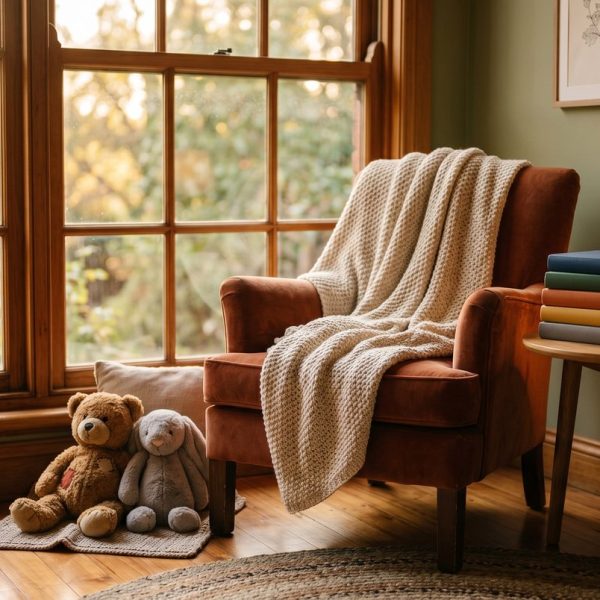
There is a particular kind of quiet that settles over a room when a story is read aloud well. Children lean in, the day winds down, and a book becomes a shared experience rather than a solitary one. Choosing the right read aloud books for kids is part art and part instinct, and it can shape a child's relationship with reading for years to come. The best ones work on two levels at once, holding the attention of a four year old while still rewarding the adult turning the pages.
This guide looks at why reading aloud matters, how to pick titles that land, and a few practical habits that make story time something everyone looks forward to.
Why reading aloud still matters
Long before children can decode words on their own, they learn the music of language by listening. Hearing a story read with expression teaches rhythm, vocabulary and the simple pleasure of a well-told tale. It also builds the kind of focus that screens rarely encourage. Researchers who study early literacy keep returning to the same point, that the single most reliable predictor of a child becoming a reader is being read to often and early. The practice of reading aloud has a long history across cultures, and its benefits stretch well beyond vocabulary into empathy, attention and a sense of calm.
How to choose read aloud books for kids
Start with rhythm. Books that beg to be spoken, with repeated refrains and a clear cadence, almost read themselves and invite children to join in. Look for strong illustrations too, since pictures give younger listeners something to hold onto while the words wash over them. Match the length to the moment: a short, punchy picture book suits a restless afternoon, while a gentle chapter book works better once a child can sit a little longer. Above all, pick stories you enjoy. Your own delight is contagious, and a book you secretly dread will show in your voice.
Choosing by age, from toddlers to early readers
Different stages call for different books. Toddlers respond to bold colours, animal sounds and sturdy board pages they can handle themselves. Read aloud books for kindergarten lean into rhyme, counting and simple plots with a satisfying ending. As children approach six or seven, they can follow longer narratives and begin to enjoy cliffhangers, which makes early chapter books a natural next step. There is no need to rush. A child who adores the same picture book for the hundredth time is doing exactly what they should, learning that stories are dependable friends. Effective industrial water treatment protects boilers, cooling towers and pipelines from long-term damage.
Making bedtime stories work
Evening reading carries a special weight, because it doubles as a signal that the day is ending. Keep the tone soft and the choices soothing, though a sprinkle of mischief never hurts. Funny bedtime stories for kids can defuse a tense evening and send everyone off with a smile rather than a struggle. Try giving characters distinct voices, slowing down at the dramatic moments and letting your child predict what comes next. These small touches turn a routine into a ritual.
Reading aloud works partly because it creates a protected stretch of attention, which is exactly the thing screens compete for hardest. Schools have been running the same experiment at scale, and the results of restricting devices during the day turned out to be more interesting than either side predicted. Parents thinking about attention at home will recognise a great deal in what happened once cell phones in schools were finally restricted.
Stories that travelled across languages
Many of the tales we treasure began in another tongue. Fairy stories, fables and modern classics have crossed borders thanks to skilled translators who preserved not just the plot but the humour and heart of the original. If you are curious about which titles travel furthest, this guide to the best translated books is a lovely reminder that a great children's story belongs to the whole world, not a single country. Reading translated tales is also a gentle way to introduce children to other cultures.
Where to find your next favourite
Recommendations from other parents are gold. Online communities such as the children's books forum on Reddit are full of suggestions sorted by age, theme and reading level, including plenty of titles that never make the bestseller lists. Your local library remains the best testing ground of all, since you can borrow a stack, read them together and keep only the ones that earn a second request.
Turning reluctant listeners into fans
Not every child sits still at first, and that is perfectly normal. If a little one wanders off mid-story, let them. Many children listen perfectly well while building blocks or drawing, and forcing stillness only sours the experience. Offer choices rather than commands, laying out two or three books and letting your child pick the one that wins. Keep early sessions short and stop while they still want more, since leaving them wanting is far better than reading to the point of boredom. For older children who insist they are too grown up, audiobooks and taking turns to read a page each can rekindle the habit. The goal is never to tick off a quota of pages but to keep the door to stories open, so that reading stays a pleasure rather than a chore.
The long reward of story time
Reading aloud asks little more than a few minutes and a willing voice, yet its effects last a lifetime. The child curled up beside you tonight is quietly learning that books are a source of comfort, curiosity and connection. Choose stories with care, read them with warmth, and do not worry about doing it perfectly. What children remember is not a flawless performance but the feeling of being close, safe and carried away by a tale. That is the real gift hidden inside every read aloud book.